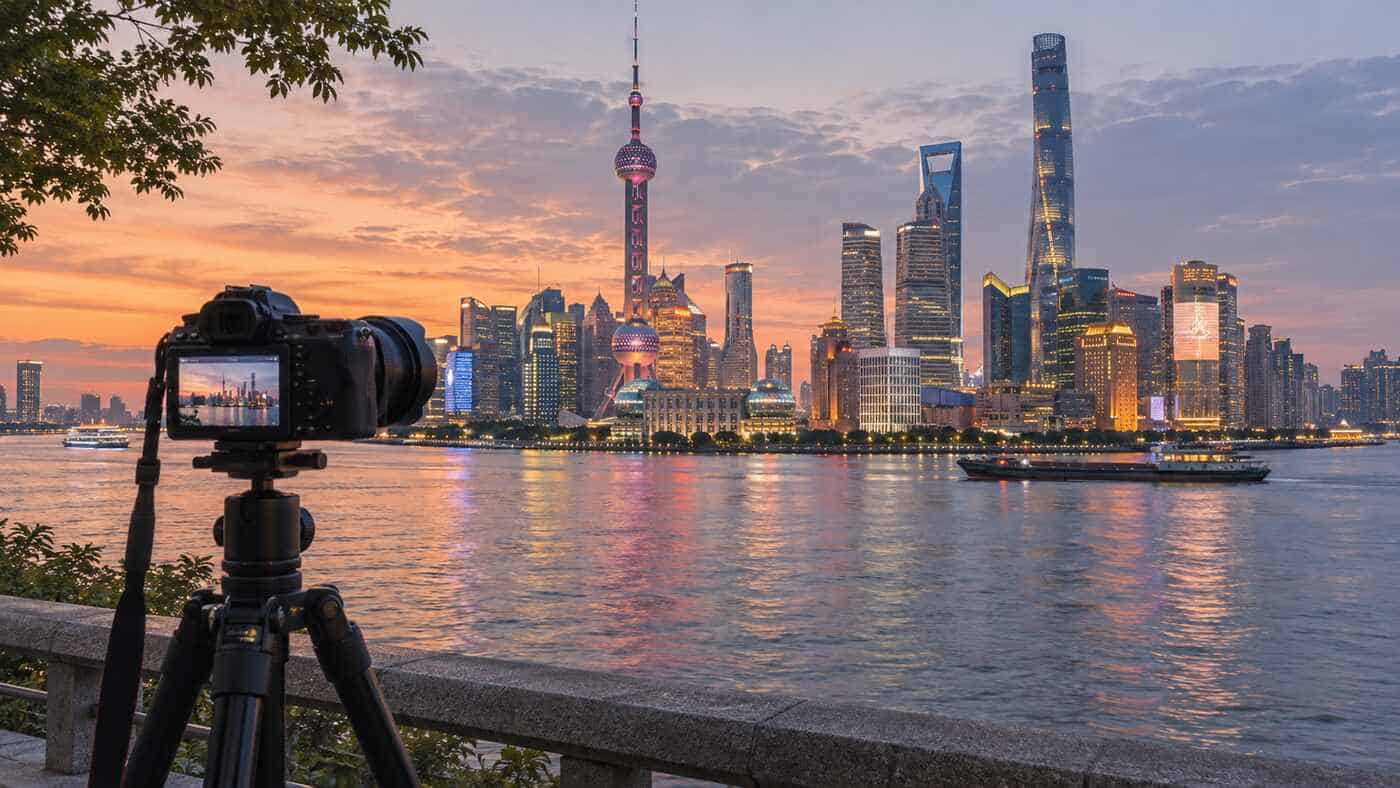
In short: Bangkok and Thailand have hosted foreign films for 50 years. Highlights include The Man with the Golden Gun (1974), The Beach (2000), Bangkok Dangerous (2008), The Hangover Part II (2011) and Only God Forgives (2013). Thailand hosted 491 foreign productions in 2024, and since January 2025 it offers cash rebates of up to 30%.
Bangkok Dangerous is one of many films that put Bangkok on screen. This guide to movies filmed in Bangkok lists the best-known foreign films shot in the city and the rest of Thailand, what they used and what the official figures say about filming in Thailand today. For the Pang brothers’ films, see our Bangkok Dangerous locations guide. All sources are listed at the end.
Major films shot in Thailand: a timeline
| Year | Film | Thai locations named in sources |
|---|---|---|
| 1974 | The Man with the Golden Gun | Bangkok, Thonburi, Phuket, Phang Nga, Damnoen Saduak |
| 1999 | Bangkok Dangerous (Thai original) | Bangkok |
| 2000 | The Beach | Khao San Road setting; Maya Bay, Ko Phi Phi Le |
| 2004 | Bridget Jones: The Edge of Reason | Soi Cowboy, Bangkok |
| 2008 | Bangkok Dangerous (remake) | Bangkok, Damnoen Saduak, Phetchaburi |
| 2011 | The Hangover Part II | Lebua at State Tower, Sukhumvit, Soi Cowboy, Krabi |
| 2013 | Only God Forgives | Bangkok |
| 2013 | The Railway Man | Bang Sue rail yard, Kanchanaburi |
Sources for each film are in the sections below.
The Man with the Golden Gun (1974)
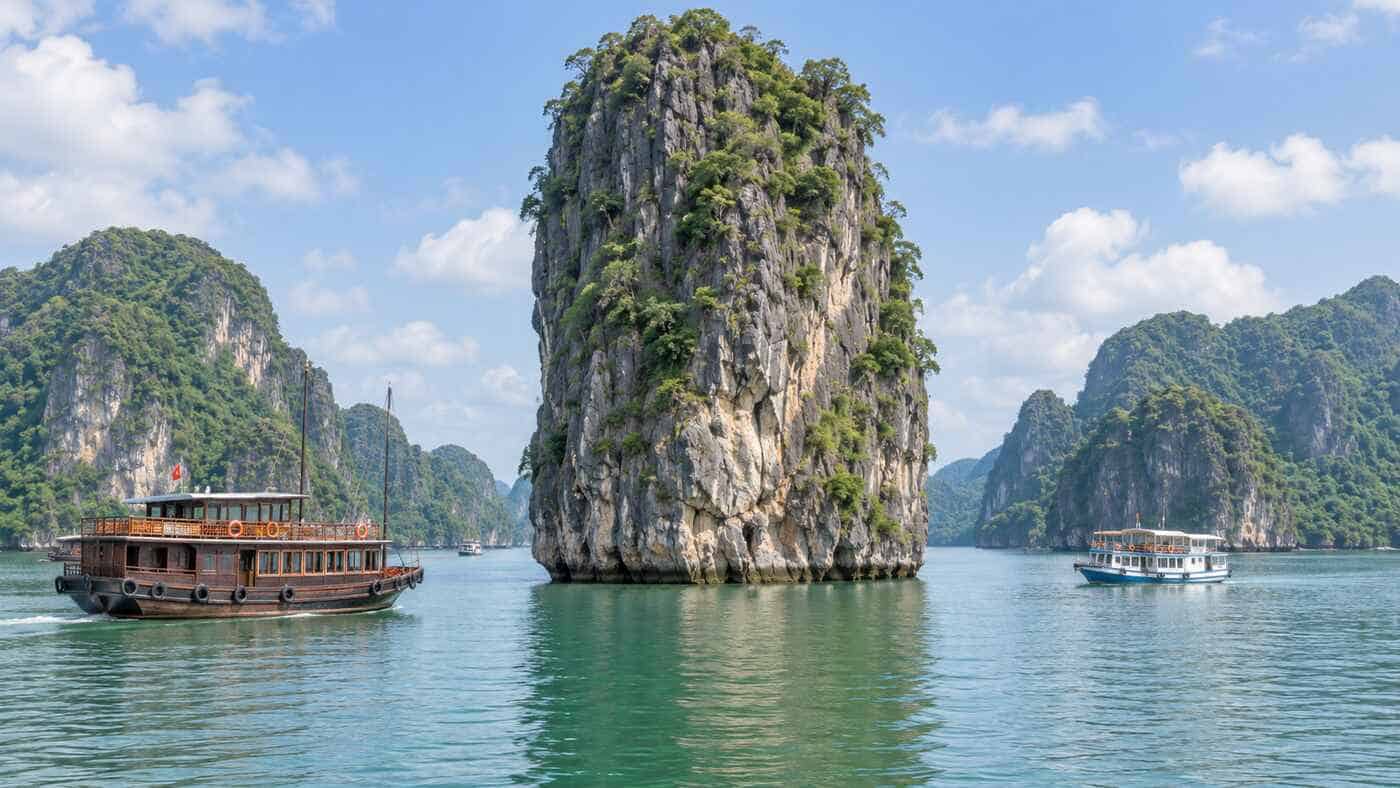
The ninth James Bond film began principal photography in Thailand on April 18, 1974, according to Wikipedia. Thai locations included Bangkok, Thonburi, Phuket and nearby Phang Nga, on the islands of Ko Khao Phing Kan and Ko Tapu. The villain Scaramanga’s hideout is on Ko Khao Phing Kan. The same entry notes that a Hong Kong garden doubled for a Bangkok estate.
The film changed the islands. Wikipedia’s Khao Phing Kan entry says the island is now commonly called “James Bond Island”, and that rising visitor numbers led to its inclusion in Ao Phang Nga Marine National Park, set up in 1981. The Bangkok Post notes that the film also staged a boat chase at the Damnoen Saduak floating market, which Bangkok Dangerous reused decades later.
Bangkok Dangerous (1999 and 2008)
The Pang brothers filmed both versions of their hitman story in and around the city. The 1999 original shows a rough, pre-Skytrain Bangkok. The 2008 remake, starring Nicolas Cage, used 47 real locations in Bangkok and nearby provinces, according to the Thai distributor’s notes on RYT9. The Telegraph said the remake shows a glossier city of river views and five-star hotels.
The Beach (2000)
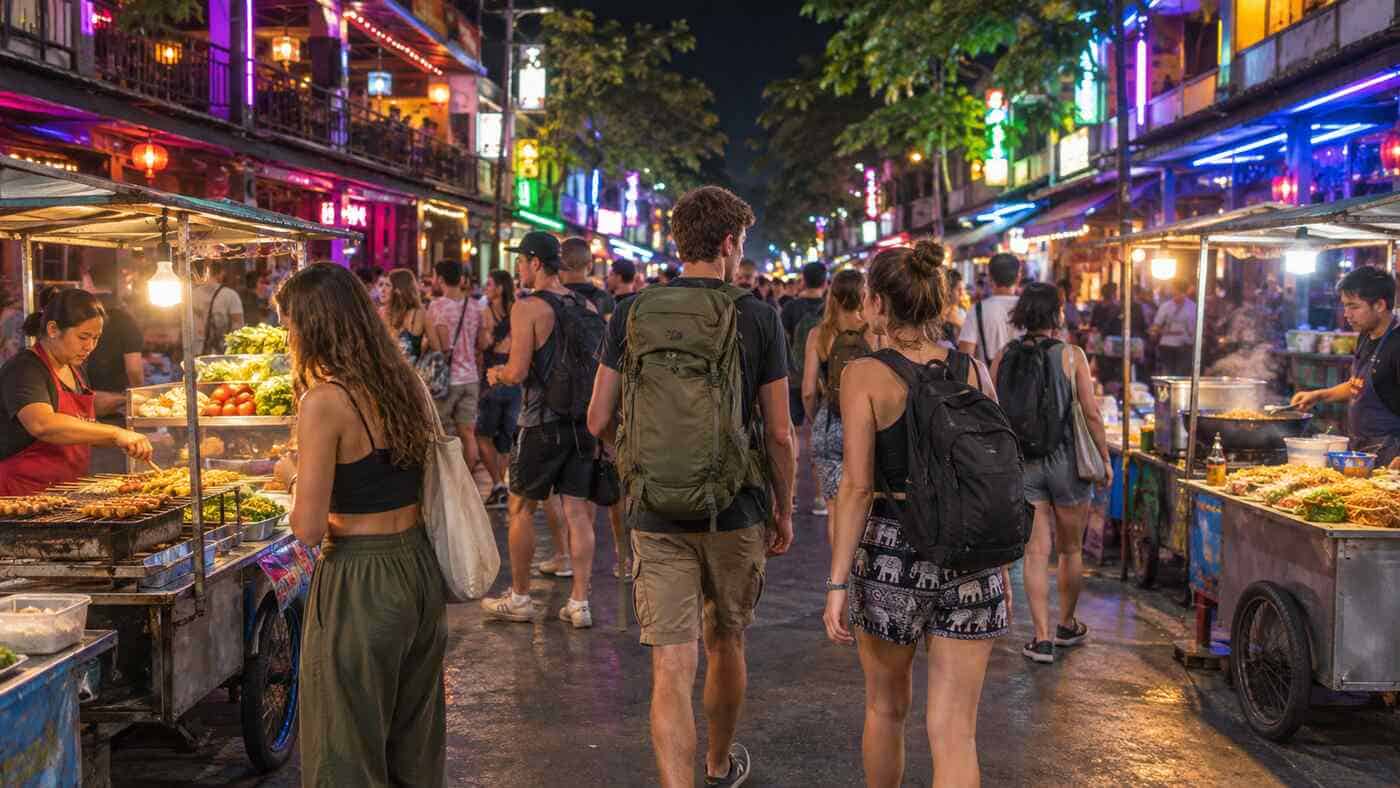
Danny Boyle’s adaptation of Alex Garland’s novel stars Leonardo DiCaprio as Richard, a backpacker who begins his trip in a drab travellers’ hotel on Khao San Road in Bangkok, per Wikipedia. Filming took place from January to April 1999, and the entry illustrates the film’s beach with Maya Bay on Ko Phi Phi Le. Released by 20th Century Fox in February 2000, it grossed $144.1 million against a $50 million budget.
The Hangover Part II (2011)
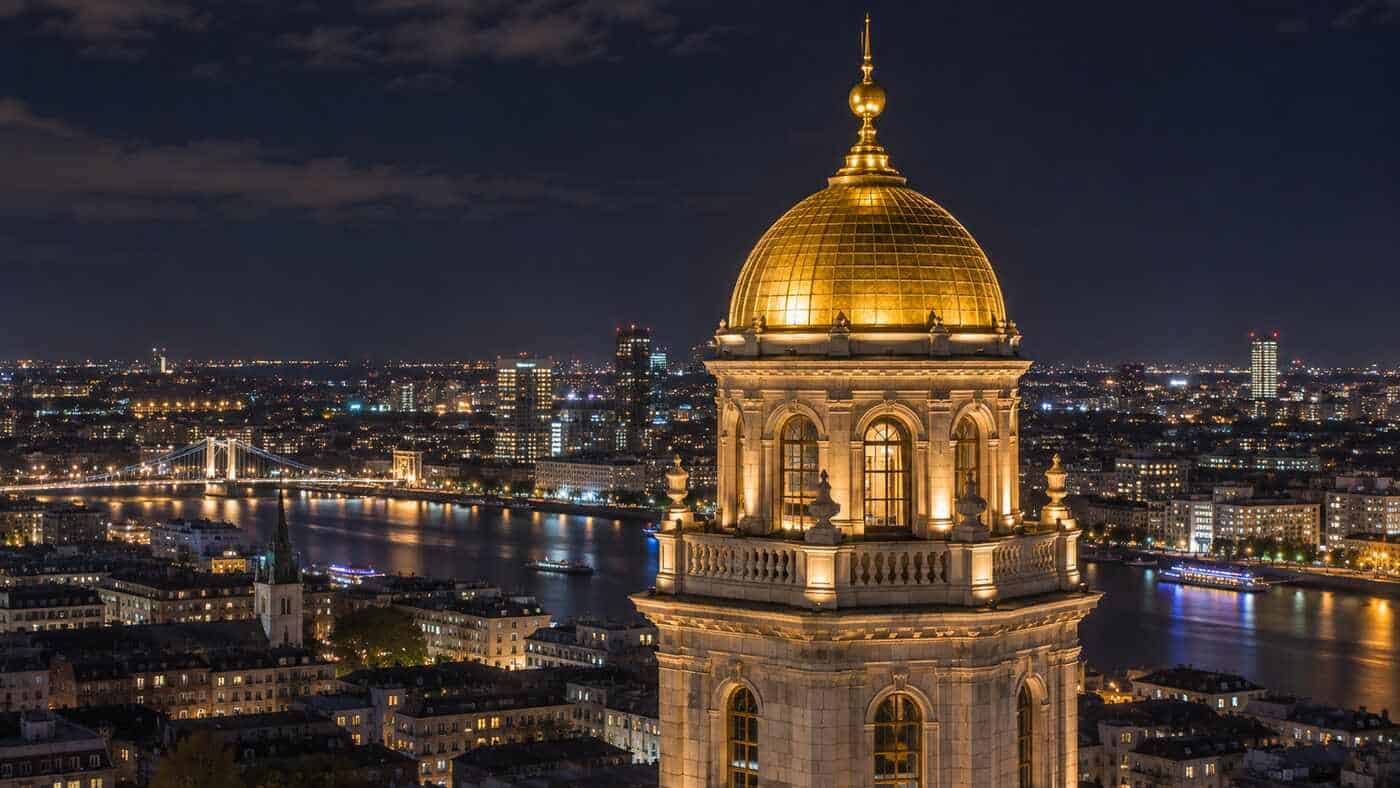
The comedy sequel moved its story to Thailand. Wikipedia says production began in October 2010 in Ontario, California, before moving on location in Thailand, with an $80 million budget and a worldwide gross of $586.8 million. Filming took place at the Lebua at State Tower hotel in Silom, which now has a suite named after the film.
The Bangkok Post lists Lebua, Sukhumvit, Soi Cowboy and Krabi among its locations, and notes that The Railway Man (2013) filmed at the Bang Sue rail yard and in Kanchanaburi.
Only God Forgives (2013) and other city films
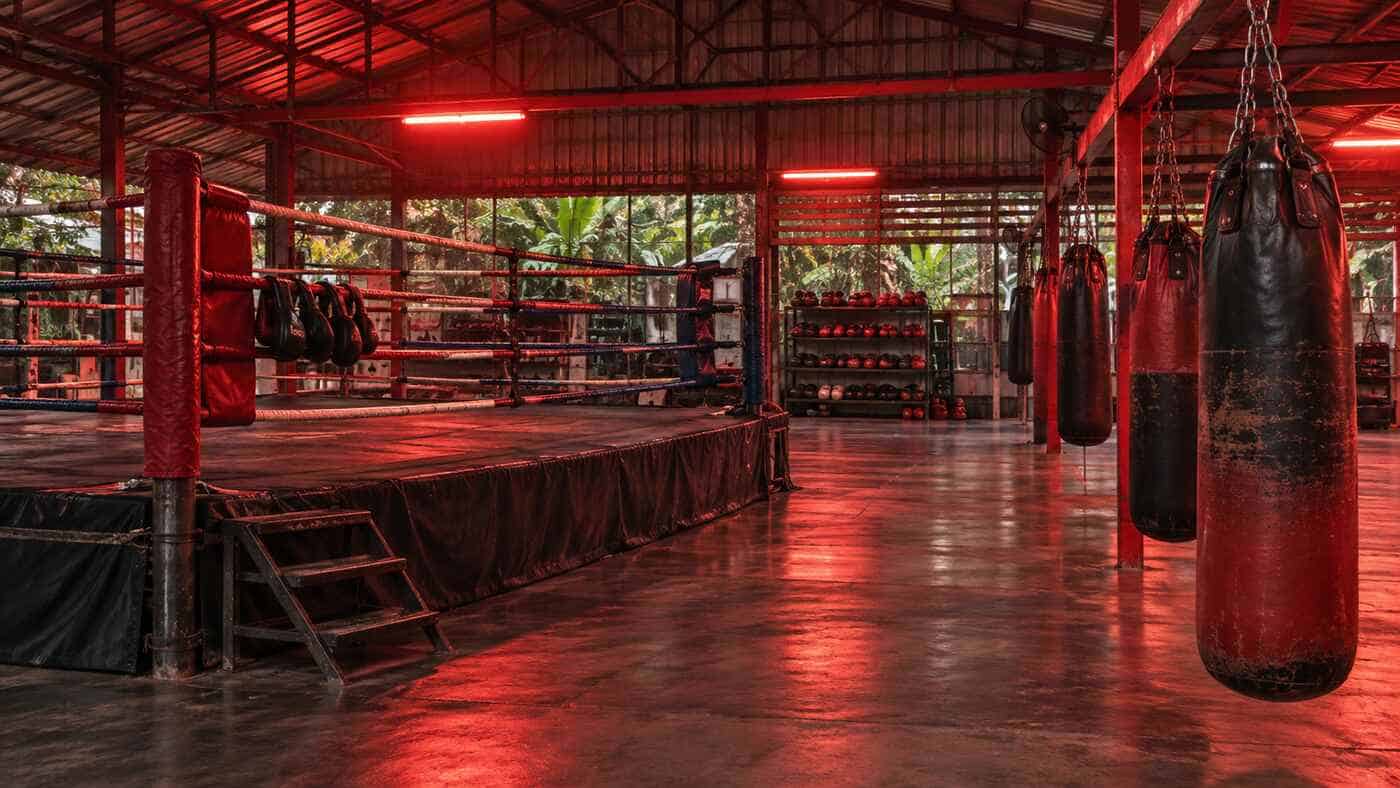
Nicolas Winding Refn’s Only God Forgives, starring Ryan Gosling and Kristin Scott Thomas, was shot on location in Bangkok, according to Wikipedia. It premiered at Cannes in 2013 to polarised reviews and holds 41% on Rotten Tomatoes. Its neon-lit, slow style is a very different picture of the city from the remake of Bangkok Dangerous.
Earlier, Wikipedia’s Soi Cowboy entry notes that some scenes of Bridget Jones: The Edge of Reason (2004) were shot on that short Sukhumvit street, which Bangkok Dangerous also used in August 2006. Thai films have shown the city too: our guide to the Pang brothers’ films covers their “Bangkok Trilogy” of crime films.
Why do foreign productions film in Thailand?
The government actively courts them. A cash rebate is a refund of part of the money a production spends in the country. The Thailand Film Office, part of the Department of Tourism, introduced a tiered rebate of up to 30% of qualified spending from January 1, 2025, according to the Tourism Authority of Thailand. TAT says productions spending at least 50 million baht qualify for 15%, rising to 20% for 100 to 150 million baht and 25% above 150 million baht, with a 30% cap including extra incentives.
The Thai embassy in Mumbai lists the extras, including 5% for films judged to promote Thai tourism and soft power and 3% for filming at Department of Tourism designated locations. The official Thailand.go.th portal says the rebate has no upper cap and that international productions generated US$470 million in revenue between 2017 and 2024.
Filming in Thailand by the numbers
TAT reported 491 foreign productions in 2024, spending 6.58 billion baht, compared with 466 productions and 6.6 billion baht in 2023. In the first half of 2025, the Government Public Relations Department counted 279 foreign productions generating 2.866 billion baht, based on film permits issued from January to June. A market report from the Asian Contents and Film Market, citing the Department of Tourism, put the 2025 total at 546 foreign productions and more than 7.71 billion baht.
Key takeaways
- The Man with the Golden Gun (1974) made Phang Nga’s Khao Phing Kan world famous as “James Bond Island”.
- Damnoen Saduak floating market hosted boat chases in both the 1974 Bond film and Bangkok Dangerous (2008).
- The Hangover Part II filmed at the Lebua at State Tower hotel in Silom.
- Thailand offers foreign productions cash rebates of up to 30% from January 2025.
- TAT counted 491 foreign productions in 2024, and a 2025 report cited 546.
Common questions
What James Bond film was shot in Thailand?
The Man with the Golden Gun (1974), starring Roger Moore. Filming in Thailand began on April 18, 1974, in Bangkok, Thonburi, Phuket and Phang Nga. The villain’s island hideout is Ko Khao Phing Kan in Phang Nga Bay, now known as James Bond Island, and the film includes a boat chase at the Damnoen Saduak floating market.
Where was The Hangover Part II filmed in Bangkok?
Filming took place at the Lebua at State Tower hotel in Silom, Bang Rak district, which now has a Hangover II suite. The Bangkok Post also lists Sukhumvit and Soi Cowboy in Bangkok, plus Krabi province. Production began in October 2010 in California before moving on location in Thailand.
Was The Beach filmed in Bangkok?
The story begins in Bangkok, with Leonardo DiCaprio’s character staying in a travellers’ hotel on Khao San Road. Most of the film’s fame comes from its island scenes, and Maya Bay on Ko Phi Phi Le is linked to the film. Filming ran from January to April 1999.
How much is Thailand’s film rebate?
From January 1, 2025, foreign productions spending at least 50 million baht in Thailand can claim a 15% base rebate, rising to 20% or 25% at higher spending levels. Extra incentives, such as promoting Thai tourism or filming in designated areas, can lift the total to a maximum of 30%.
How we put this together: film details come from each film’s Wikipedia entry and the Bangkok Post’s Thailand in film feature. Rebate rules come from TAT, Thailand.go.th and a Thai embassy notice. Production counts come from TAT, the Government Public Relations Department and an ACFM market report citing the Department of Tourism; years and totals are as those bodies reported them.
Sources
- Wikipedia: The Man with the Golden Gun (film)
- Wikipedia: Khao Phing Kan
- Bangkok Post: Thailand in film
- Wikipedia: The Beach (film)
- Wikipedia: The Hangover Part II
- Wikipedia: Only God Forgives
- Wikipedia: Soi Cowboy
- TAT Newsroom: new cash rebates for filmmakers up to 30%, 2025
- Thailand.go.th: foreign film incentives up to 30%
- Royal Thai Consulate-General, Mumbai: 2025 filming incentives
- Government Public Relations Department: 279 foreign shoots in H1 2025
- Asian Contents and Film Market: Thailand H2 2025 report
- RYT9: Bangkok Dangerous production notes, 2008
- The Telegraph: Bangkok Dangerous not so dangerous after all, 2008